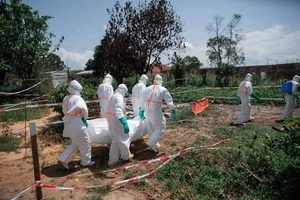
Kenya Tightens Ebola Preparedness as Regional Outbreak Persists
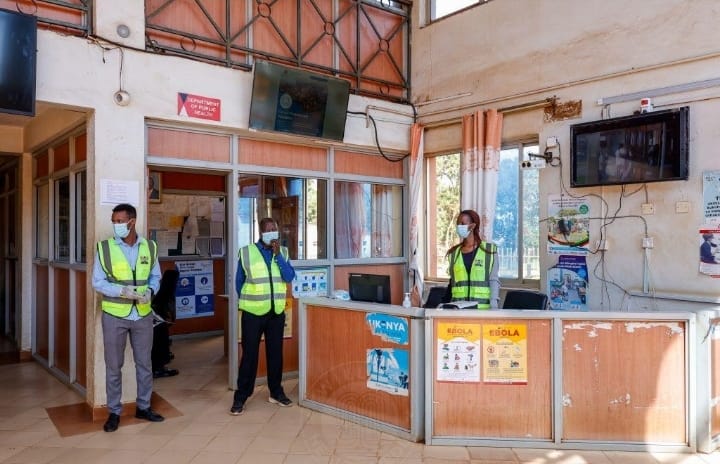
The Ministry of Health has stepped up efforts to strengthen Kenya’s preparedness against Ebola following continued outbreaks in neighbouring countries. Although no confirmed Ebola cases have been reported in the country, health authorities say they are taking precautionary measures to ensure Kenya is ready to respond should the virus cross its borders.
Public Health Principal Secretary Mary Muthoni said the government has enhanced disease surveillance at airports, border crossings and other points of entry to improve the early detection of suspected cases. She noted that surveillance teams are working around the clock to monitor travellers arriving from affected areas as part of efforts to prevent the disease from entering the country.
The Ministry has also increased laboratory testing capacity and equipped health facilities with the resources needed to detect and respond to suspected Ebola infections. Rapid response teams have undergone additional training to strengthen emergency preparedness, while healthcare workers across the country are receiving refresher training on identifying, isolating and managing suspected cases safely.
According to Muthoni, preparedness remains one of the most effective ways of protecting the country from infectious disease outbreaks. She said the Ministry is working closely with county governments, private healthcare providers and development partners to improve coordination and ensure all health facilities are ready to respond if needed.
Health facilities have also been instructed to strictly adhere to infection prevention and control measures, including proper use of protective equipment, screening procedures and prompt reporting of suspected cases. These measures are intended to minimise the risk of transmission and protect both patients and healthcare workers.
The Ministry has urged Kenyans to remain calm while staying vigilant. Members of the public have been advised to maintain proper hygiene, wash their hands regularly, avoid contact with anyone showing symptoms associated with Ebola and seek immediate medical attention if they experience signs such as high fever, vomiting, diarrhoea or unexplained bleeding.
While reassuring the public that Kenya remains free of confirmed Ebola cases, the government says it will continue monitoring the regional situation closely. Health officials have emphasized that strong surveillance, public awareness and cooperation between communities and healthcare providers will play a crucial role in ensuring the country remains prepared against any potential Ebola threat.