Kenya Confirms First Ebola Case as Contact Tracing Begins
By Kate Nelima,
Kenya has confirmed its first case of Ebola after a Kenyan national tested positive for the Bundibugyo strain, the Ministry of Health has announced.
The patient, who had lived in the Democratic Republic of Congo (DRC) for seven years, became ill about a month ago and received treatment at several hospitals in the country before travelling to Kenya. The patient travelled by road from the DRC to Kampala, Uganda, before flying to Nairobi aboard a
Jambo jet flight on Saturday, October 3.
Upon arrival at Jomo Kenyatta International Airport, the patient underwent screening before being admitted to an isolation unit at Nairobi Hospital. Doctors became concerned about a possible viral hemorrhagic fever after the patient developed fever, chills, fatigue and bleeding beneath the skin.
Samples were collected and sent to the National Virology Laboratory and the Kenya Medical Research Institute for testing. The results confirmed that the patient had Ebola. The patient later died despite receiving supportive care.
Following the confirmation, health authorities immediately began contact-tracing efforts to determine who may have been exposed to the virus during the patient’s illness and journey to Kenya. So far, 28 contacts have been identified, including family members and healthcare workers who may have interacted with the patient.
The Ministry of Health is also tracing people who travelled on the same Jambo jet flight from Kampala to Nairobi. The list includes 23 passengers and four crew members who were on board the aircraft. Authorities are working to locate and monitor the identified contacts for any signs of illness. Anyone who develops symptoms or is found to have had significant exposure will be assessed and managed according to established health protocols.
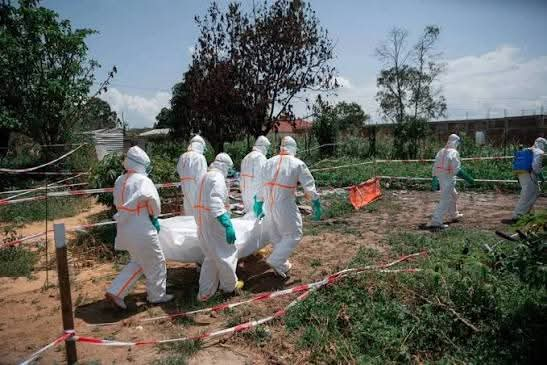
The government has also activated 23 isolation centres across the country as part of its preparedness and response measures. Health facilities have been placed on heightened alert to identify and respond to any suspected cases. Following the patient’s death, safe burial procedures have been activated. The measures are intended to minimize the risk of infection among family members, healthcare workers and others involved in handling the body.
Ebola is a severe viral disease that can cause serious illness and death. Transmission mainly occurs through direct contact with the blood or other bodily fluids of an infected person, particularly after symptoms have developed. Health officials have therefore urged the public to avoid contact with bodily fluids from anyone suspected of having the disease. They have also advised people who may have been exposed to report immediately to health authorities rather than waiting for symptoms to become severe.
Healthcare workers have been reminded to maintain strict infection-prevention and control measures when dealing with suspected or confirmed cases. Proper use of protective equipment, safe handling of patients and appropriate disposal of medical waste are essential in limiting transmission. The patient’s movements before arriving in Kenya have made contact tracing a key part of the response. Authorities are working to establish where the patient travelled, who they interacted with and whether there were any other potential exposures during the journey from the DRC through Uganda and into Kenya.
The Ministry is also monitoring the situation closely through surveillance at health facilities and other points where suspected cases could be identified. Members of the public have been urged to remain calm and rely on official information as health authorities continue their investigation. The government has cautioned against spreading unverified
information that could create unnecessary fear.
Health officials say the immediate priority is to identify all possible contacts, monitor them closely and ensure that any person who develops symptoms receives prompt medical attention. The confirmation of Kenya’s first Ebola case has therefore triggered a coordinated response involving contact tracing, surveillance, isolation and safe burial measures. Authorities are asking Kenyans to remain vigilant, practice good hygiene and report any suspected symptoms or possible exposure to health officials.
As contact tracing continues, the Ministry of Health says it will provide further updates as more information becomes available and as the government works to prevent further transmission.