KEMRI Warns of New Malaria Threat After Invasive Mosquito Detected
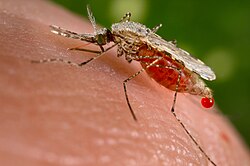
The Kenya Medical Research Institute (KEMRI) has raised alarm after confirming the presence of Anopheles stephensi, an invasive mosquito species known to spread malaria, in Marsabit County. The discovery has raised fresh concerns among health experts, who warn that the mosquito could increase the risk of malaria transmission if not contained early.
The species was identified during routine surveillance in Laisamis and Saku sub-counties. Originally found in South Asia and parts of the Middle East, Anopheles stephensi has in recent years spread to several African countries, where it has become a growing public health concern.
Unlike the common malaria mosquito, which is mainly found in rural areas, Anopheles stephensi can survive and breed in both urban and rural environments. It lays its eggs in clean water stored in containers such as tanks, drums, jerrycans and discarded tyres, making it well adapted to towns and informal settlements where water storage is common.
Researchers say the mosquito’s ability to thrive in densely populated areas could make malaria control more challenging if communities do not take preventive measures. The increased risk is particularly worrying for urban centres that have traditionally recorded lower malaria transmission than rural regions.
In response to the discovery, KEMRI, working alongside the Ministry of Health and county health officials, has intensified mosquito surveillance and strengthened vector control activities in affected areas. Public health teams are also conducting community awareness campaigns to educate residents on the importance of eliminating mosquito breeding sites and protecting themselves from mosquito bites.
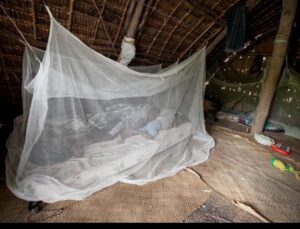
Residents have been advised to regularly drain stagnant water around their homes, keep water storage containers tightly covered, clear discarded items that collect rainwater and continue sleeping under insecticide-treated mosquito nets. They are also encouraged to seek medical attention without delay if they develop symptoms such as fever, chills, headaches or body aches, which may indicate malaria.
Health experts say public cooperation will play a critical role in preventing the spread of the invasive mosquito. They remain optimistic that with sustained surveillance, early intervention and community participation, Kenya can limit the threat and protect vulnerable populations from a possible rise in malaria infections.