Burning Garbage at Home? Consider this First
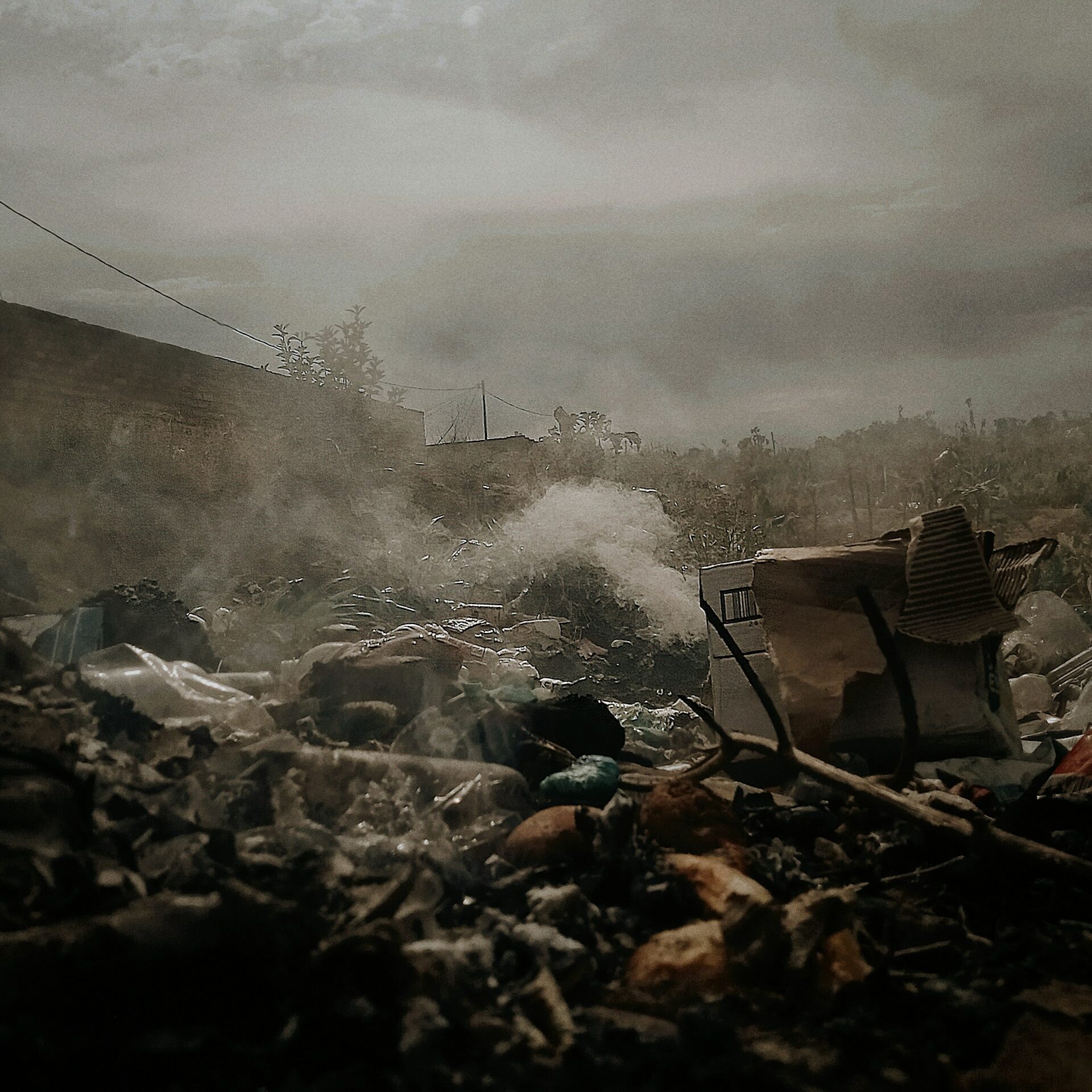
Every so often in many Kenyan homes, small piles of rubbish are set alight. Plastic bags curl into black smoke, food scraps disappear into ash, and old shoes, papers and packaging burn together. To many families, this seems like the quickest and cheapest way to get rid of waste.
And perhaps it is. But what rises with the smoke is more than just the smell of burning garbage. It may also carry dangerous chemicals that can affect the health of families, especially children, older people and those with breathing conditions.
When plastics, rubber, treated wood, diapers, electronics or painted materials are burned in the open, they can release toxic pollutants into the air. These pollutants have been linked to eye irritation, persistent coughing, asthma attacks, headaches and reduced lung function. Long-term exposure to some of these chemicals has also been associated with an increased risk of heart disease, certain cancers and developmental problems in children.
The smoke does not simply disappear. Instead, it spreads through neighbourhoods, enters homes through open windows, settles on food, clothing, and water containers. It is also inhaled by everyone nearby. This is dangerous.
Here’s why
Why Open Burning Is Dangerous
Open burning produces fine particles that travel deep into the lungs. When plastics and synthetic materials are burned, it can also release harmful gases and chemicals.
The effects may include:
- Persistent coughing
- Breathing difficulties
- Irritated eyes, nose and throat
- Asthma attacks
- Poor air quality throughout the neighbourhood
- Environmental pollution affecting soil and nearby water sources.
Children are particularly vulnerable because they often breathe faster than adults, while older people and those with heart or lung disease may experience more severe symptoms.
There are Better Ways to Dispose of Waste
Environmental experts discourage households from burning garbage as much as possible. Instead, families can separate biodegradable waste for composting, recycle plastics, paper, glass and metals where collection services exist, and ensure hazardous waste such as batteries and electronic devices is disposed of through designated collection programmes.
Communities can also work together to improve waste collection, reduce illegal dumping and educate residents about the dangers of open burning.
According to the National Environment Management Authority (NEMA), Kenya’s air quality regulations are designed to prevent and control air pollution and protect the public’s right to clean and healthy air. The regulations explicitly prohibit the burning of domestic waste, plastics, tyres, medical waste and industrial waste openly because of the harmful pollutants released into the atmosphere.
NEMA also advises that waste should only be burned in licensed incineration facilities where emissions can be properly controlled. Open burning in homes and neighbourhoods is therefore discouraged because it poses a risk to public health and the environment.
“No person shall cause or allow emissions of priority air pollutants from disposal of medical waste, domestic waste, plastics, tyres, industrial waste or other waste by open burning.” — Environmental Management and Co-ordination (Air Quality) Regulations, Kenya.
A Community Responsibility
Burning rubbish seems like a simple solution, but the smoke does not stay within one compound. It travels across fences, into neighbouring homes, schools and businesses.
Every small fire contributes to the air that an entire community breathes. By choosing safer methods of waste disposal, families not only protect their own health but also help create cleaner, healthier neighbourhoods for everyone.