From Trash to Treasure- Nairobi’s New Waste Laws are Fueling a Multimillion Shilling Green Economy
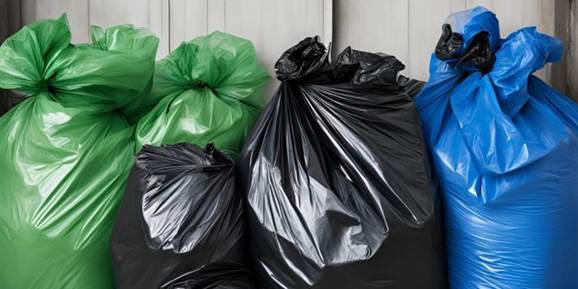
Mixing your household garbage in one single bag could cost you Ksh 20,000 or 6 months in jail under Kenya’s Sustainable Waste Management Act. Garbage truck operators or collectors also risk a fine of Ksh 50,000,
Under the NEMA regulations, mixing organic food waste with plastics is now considered an offense in Nairobi, a city that is quickly moving away from messy dumpsites toward a multi-million-shilling circular economy.
Today, what was once dismissed as a smelly nuisance, clogging Nairobi’s drainage systems, is fast becoming the newest economic driver as county authorities aggressively enforce the National Waste Colour Code.
The city’s multi-layered waste revolution is proving that the road to decommissioning Africa’s most famous dumpsites begins right at the household kitchen bin through local youth groups and tech innovators, who are turning organic waste into biogas and plastic into fencing posts.
According to the National Sustainable Waste Management Act, residents of Nairobi are no longer permitted to simply “throw away” their trash. The law enforces source segregation, which requires households to separate waste into color-coded bags: green for scraps of organic food, blue for dry recyclables like plastics and glass, and brown for hazardous material. This simple behavioral shift will unlock a massive supply chain of clean, uncontaminated materials that were previously lost.
This aggressive strategy is breathing life into the city’s ultimate environmental goal: the complete decommissioning of the historic, over-capacity Dandora dumpsite. Through joint national and county initiatives, non-recyclable residual waste is actively directed toward the modern, engineered sanitary landfill and waste-to-energy facility in Ruai, Nairobi. This is systematically choking off the supply of garbage to open landfills. By transforming a public health hazard into a structured commercial ecosystem, Kenya’s capital is setting a benchmark for urban sustainability across the continent.
So, if today your garbage collector still gives you a single black garbage bag, you can decline and request the colour-coded bags.